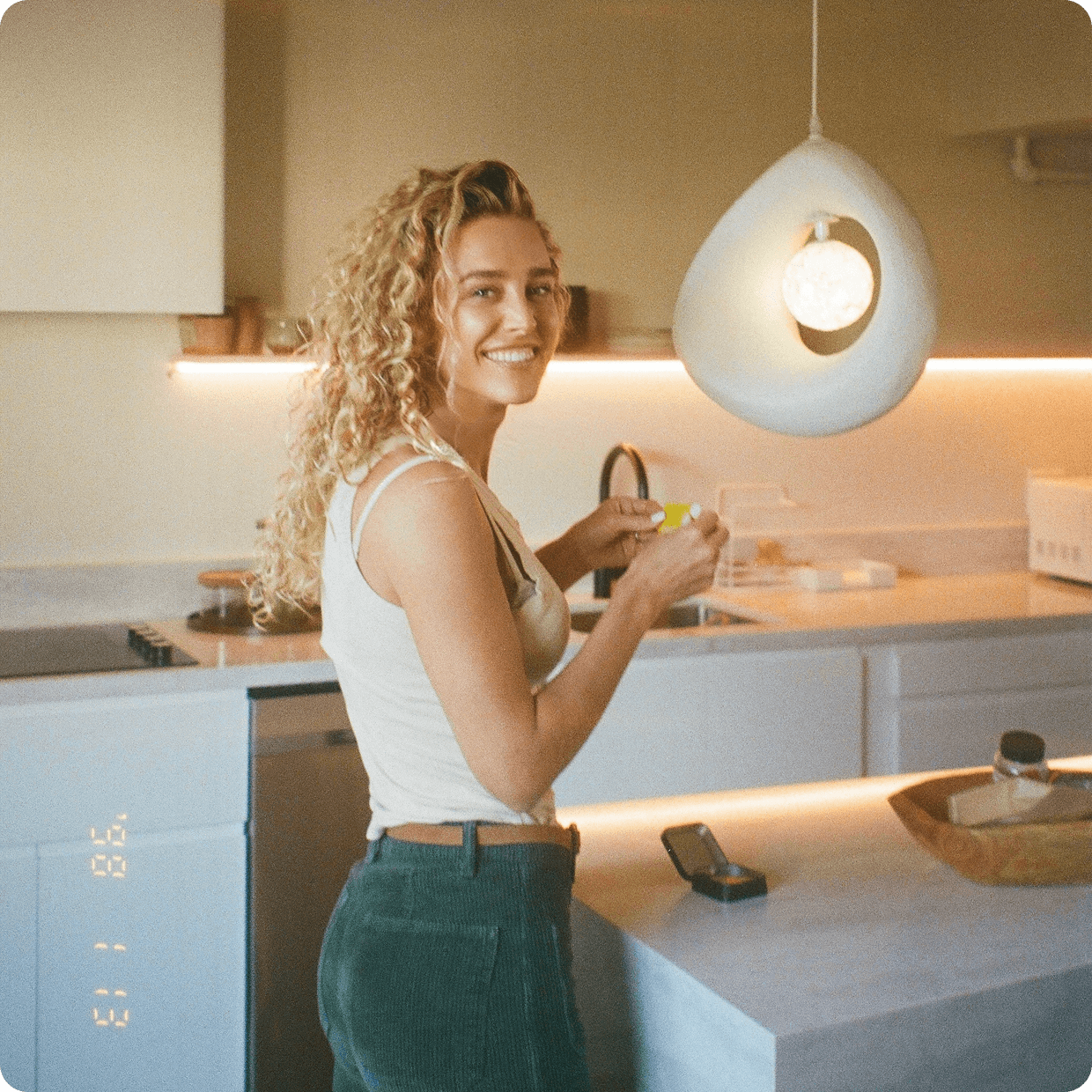
Savannah runs Moss, a third space in West LA combining coworking, wellness, and events. She’s hosted 300 events in two years across a 150-member community. We chatted about what it takes to build a space whose ethos holds steady from 8am to 2am.
Zelda: You opened Moss two years ago. Tell us about how it came to life.
Savannah: The idea stemmed from my own personal burnout. Being part of the culture and community here, I took notes for a couple of years on what was lacking post-pandemic. I’d also been watching the demise of social clubs. Membership clubs were peaking around 2016, but people aren’t necessarily craving being part of exclusive communities anymore.
I’d been part of communities that were amazing in many ways, but they lacked a reason for being there. So Moss was built on values, not only for our staff but for the membership and the application process. It’s very simple, but we found it’s an incredible filtration process for people who want to change the world and where they can come and feel safe. Ultimately, we wanted to create a sanctuary inside of urban life.
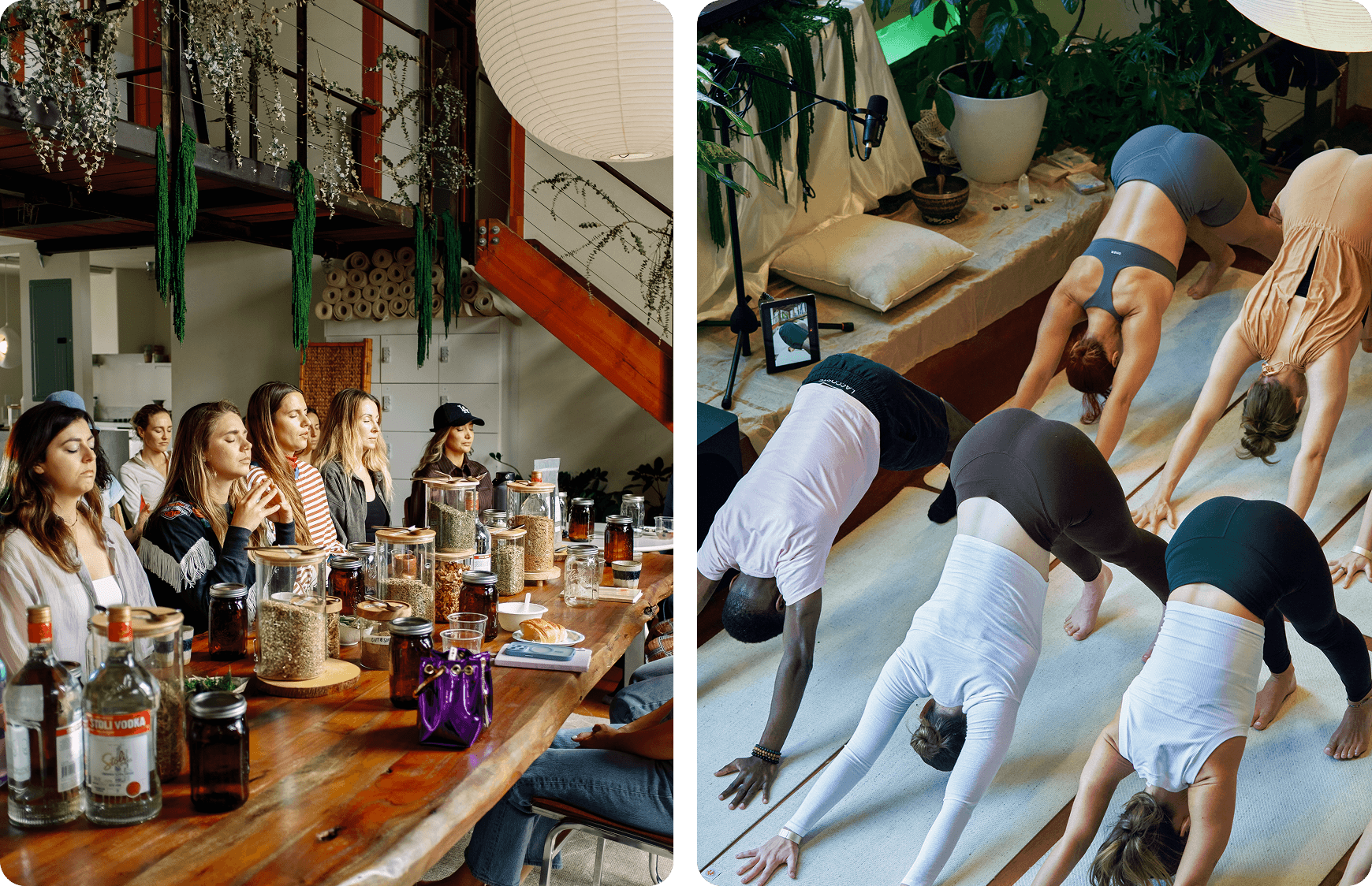
We’re in West LA, in a beautiful part of the city. You’re close to the beach, you can drive 30 minutes to Malibu, three hours to Big Bear. People here are extremely active, and it’s a full-time job to regulate your energy.
“I wanted an intimate space where you could measure productivity with decompression.”
This whole floor used to be the Winston House, an acoustic music venue. Some of the artists you hear on the radio today played here. We wanted to keep a mix of the old and the new in how we designed it, giving homage to the music by keeping a stage in the same place. The design itself is wabi-sabi, done over five months by a designer named Sakura Heffron. When I was building the place, I read Christopher Alexander’s A Timeless Way of Building. He writes about a quality without a name that makes a space come alive. I’d like to think our branding helps Moss come alive, and helps to take me out of the equation more and more.
Moss is a third space, coworking, wellness, and events all under one roof. How do you hold that complexity together operationally?
From a business standpoint, you have to know your top revenue drivers. Memberships are our base, with a six-month minimum and three tiers: hot desk, unlimited, and monthly. But events are a huge part of the model too. Members who want to lead their first group class or leadership program can do it here, and we do a 50/50 rev share with them on the Luma ticket price. That incentivizes them to renew their membership, because Moss is giving them supplemental income.
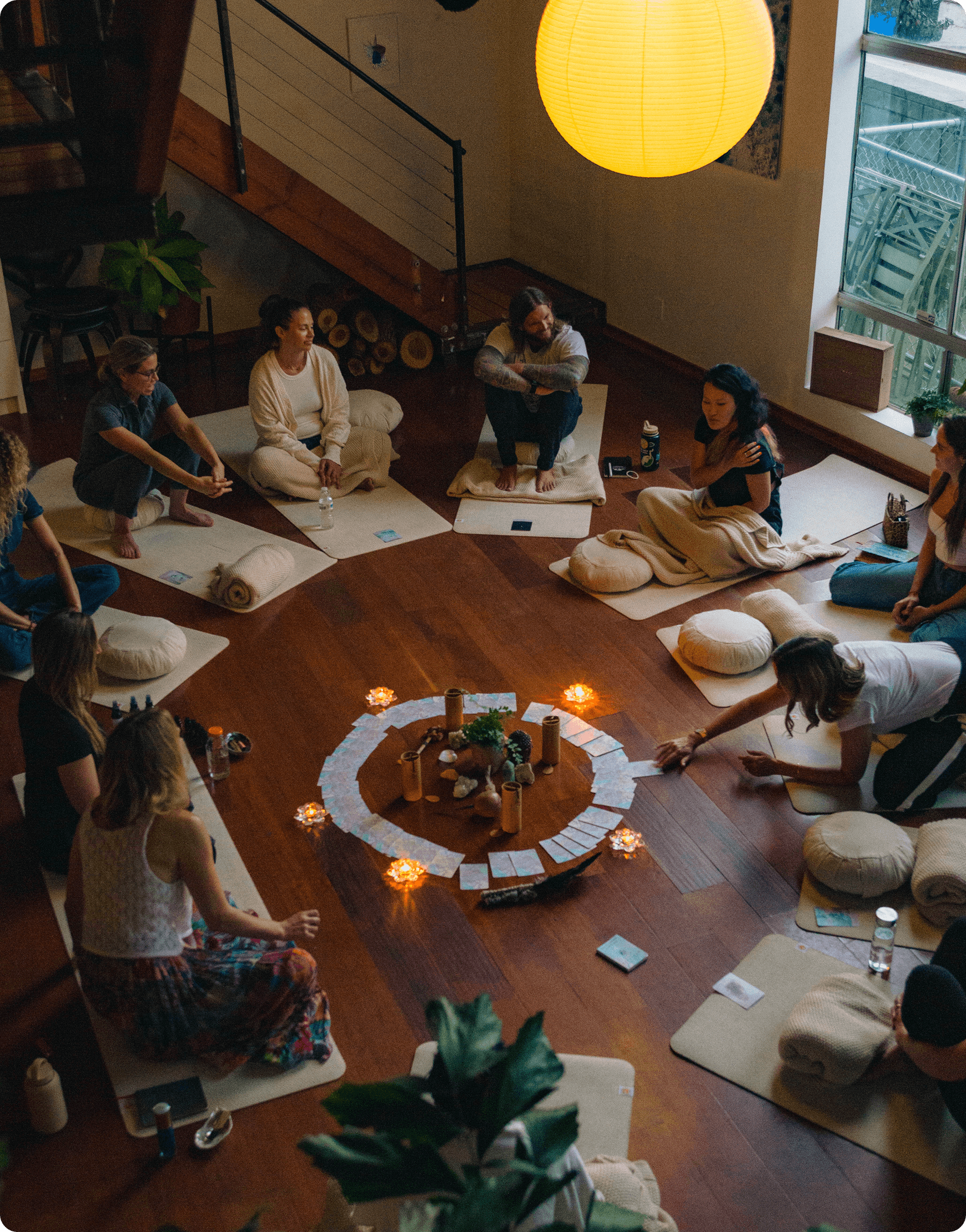
“Branding is just as much of a feeling as walking into a space and experiencing a host or a teacher. It’s the sound connected to a reel. It’s the scent in the candle when you walk in.”
The goal is to appeal to all the senses. What you can capture on social media or Google doesn’t do a physical space justice, so you add video, you add texture, you add sound to create more nostalgia.
The key is also consistency and providing value. A good example of how we apply this is our wellness parties. We bring down our red light therapy lamp, set up the oxygen bar and the chi machine next to the DJ. That’s unique to us, and this is what makes people keep coming back.
Running a community-driven space requires a lot from you personally. How do you regulate your own energy as the founder?
If you’d asked me between 2020 and 2022, I wouldn’t have had a good answer. I used to be the person who over-exerted myself, who would put everything I had into what I was doing. But ultimately that doesn’t serve the people around you, because you’re functioning with your glass half empty.
If you’re seeing 50 to 60 people a day with coworking plus an event, you have to be on. Recharging looks different for different people. For me, I recharge by going into a cocoon, being in nature. Regular meditation is a must. I start every day with at least 30 minutes of stillness.
I believe mental, physical, and spiritual are all interconnected. What you put into your body, the people you surround yourself with, the music you listen to, how much you scroll, whether you can regulate yourself when something happens in your life that you don’t expect. The more regulated you are, the more abundantly you attract, and the better equipped you are to deal with life when it happens.
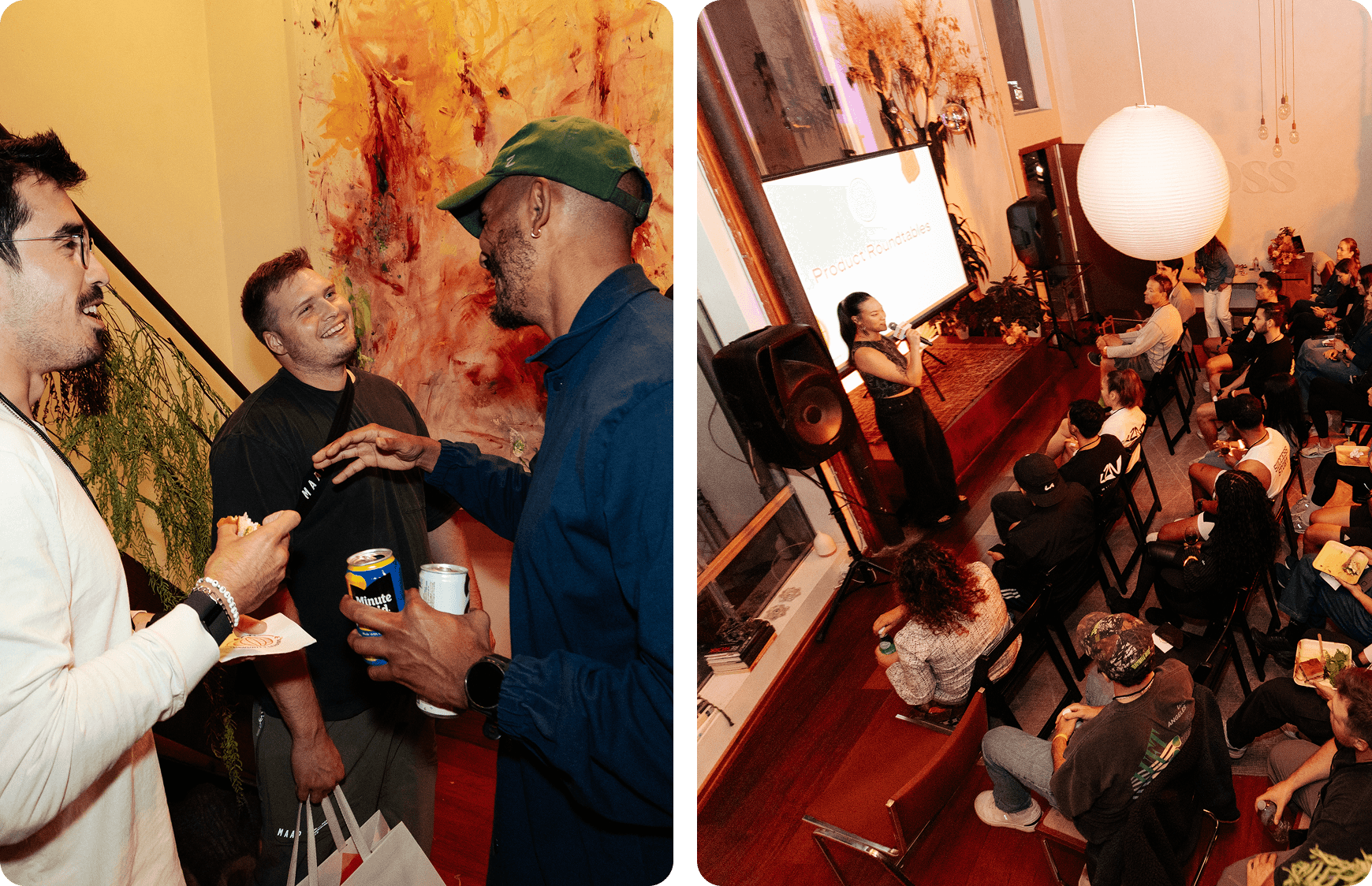
I’m a solo founder. I have a team of about eight, over 150 members, and we’ve done 300 events in two years. If I were partaking in the parties we host or had a really extensive social life of my own, I’m not sure any of this would be possible. I need to be very intentional about my limits.
How do you build a team that protects that culture day to day?
Culture is the most important part of any company because how people feel, how they’re treated, how they’re growing and learning, all comes from the top. If you’re a member, a guest, a visitor, you’re going to feel that energy. Energy speaks louder than any language, in my opinion.
A couple of months before Moss opened, I went to Japan for two weeks. I learned so much about a culture built on respect, how a country can fit together like a puzzle piece. I wanted Moss to carry that same inspiration, grounded in the five-star hospitality I was seeing in Japanese restaurants, hotels, coffee shops.
For that reason, no matter what, I always speak respectfully to my team so it reflects in how they treat each other and how they treat members on their bad days. What I always say to my team is: when you grow, we grow. I’ve watched them evolve and get promoted and become so embodied in who they are which is incredibly rewarding.
Part of my team’s job is to reset the space every day when they come in. Meditating in the wellness room before their shift, lighting palo santo, lighting sage to reset the energy in the space. We have non-negotiables we do as a team every single month. Some of them have been with me for the entire two years now, and at this point, it just feels like a little family.
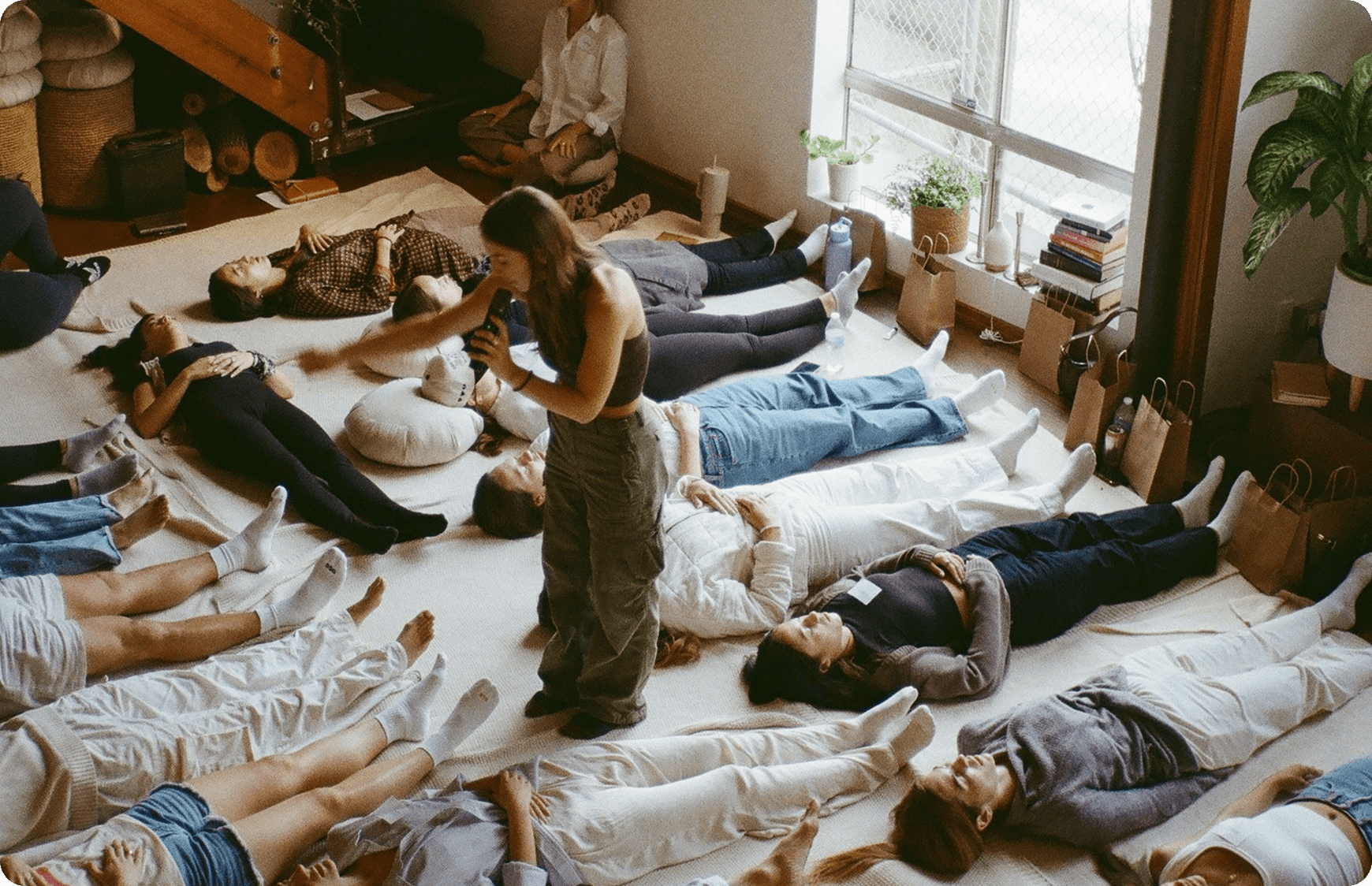
How does Moss filter for the right community members, and how do you attract them in the first place?
We haven’t really run into an issue where the wrong people apply. The values do the filtering. We did evolve our language though. The term “conscious coworking space” was polarizing for a lot of people. They’d say, “okay, I work in tech, am I conscious enough?” We would never want to discriminate or devalue anyone for what they do or where they come from. So we evolved into the third space framing: coworking, co-wellness, and events. That opened it up.
When we were building, some of my favorite content were these time-lapse reels our podcast team filmed within the space, while walls were being knocked down and rooms were being built. People love to see progress. Progress means something is being created, and so often people are consuming without seeing or creating themselves. That really inspired people, and we had a lot of pre-signups from social media. Beyond that, it’s been word of mouth and Google. Recently we’ve also started seeing what people call GEO, generative engine optimization, where ChatGPT and other AI search platforms rank us highly.
Lately we’ve started hand-selecting people to join the community who are inspiring us. And if they don’t necessarily need a coworking space, we try to partner with them in a different way.
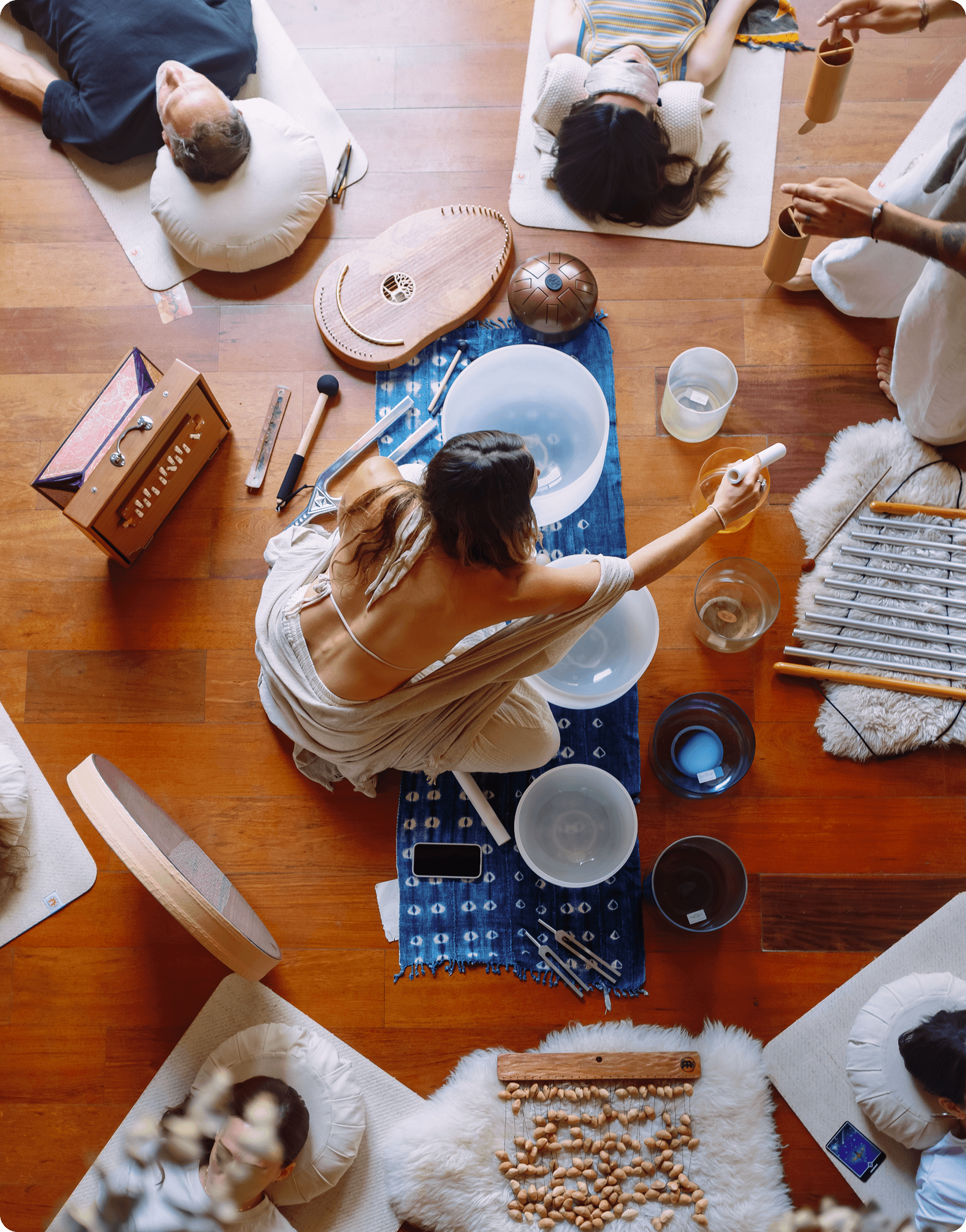
Looking back at the past two years, what’s a story that captures what kind of community Moss has become?
The one that stands out is when Los Angeles was on fire. For about two months, we became a donation center. We had 700 volunteers come through. Some dispersed to other rooms to operate as a dispatch team. Production companies came and operated the lines outside, with all the cars and supplies. Just to see how fast people came together in community, how everyone dropped everything in their lives, it didn’t matter who you were, you just came and supported. It completely defies the stereotypes you hear before you move to LA, about people chasing their own dreams and being vain and selfish.
“I’d never seen a community come together like that in my life.”
And the fact that it happened out of Moss meant we had volunteers who became members from that experience. We had a stage built because people felt gratitude. Now we have a music platform I couldn’t have afforded before. News channels came and filmed people who were victims, and one of those victims ended up becoming a really good friend who now leads public speaking workshops here. It’s this domino effect. That’s what showcases what can happen when you bring values-based people together.
 Zelda Poemin April 2026